🏗️ BUILDING MATERIALS (Civil Engineering)
🔹 1. CONCEPT EXPLANATION (EXAM-FOCUSED)
🔸 Building Materials
Building materials are materials used for construction of structures such as buildings, bridges, roads, dams, etc.
In exams, questions are mainly asked from:
- Properties
- Manufacture
- Uses
- Defects
- Comparisons
🔹 IMPORTANT MATERIALS (MOST REPEATED)
1️⃣ Stones
- Naturally available building material.
- Used in foundations, masonry, flooring, bridges.
Good stone properties (exam-favorite):
- High compressive strength
- Low porosity
- Durable & weather resistant
⚠️ PYQ trap: Granite vs Limestone usage.
2️⃣ Bricks
- Made from clay, moulded, dried & burnt in kiln.
- Standard size (India): 19 cm × 9 cm × 9 cm
Types frequently asked:
- Burnt clay bricks (1st, 2nd, 3rd class)
- Fly ash bricks
- Engineering bricks
3️⃣ Cement
- A binding material which sets and hardens with water.
- Most questions from:
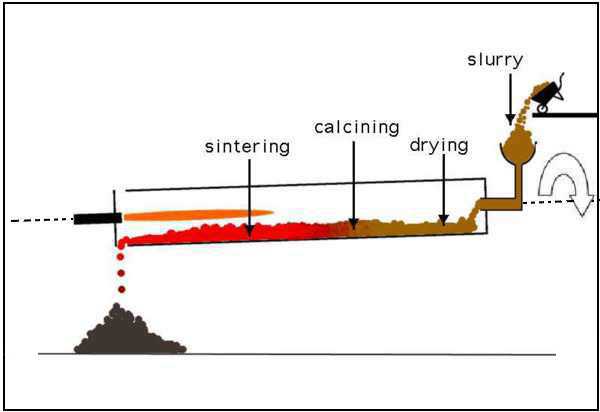
- Manufacture
- Setting time
- Types
- Tests
Main compound responsible for strength:
👉 C₃S (Tricalcium Silicate) ⭐
4️⃣ Lime
- Oldest binding material.
- Used in mortar, plaster, soil stabilization.
Types:
- Fat lime
- Hydraulic lime
- Poor lime
5️⃣ Timber
- Used for doors, windows, roofing, furniture.
- Examiners love:
- Defects
- Seasoning
- Preservatives
6️⃣ Aggregates
- Inert materials used with cement.
- Make up 60–75% of concrete volume ⭐
🔹 2. IMPORTANT FORMULAS (MOST REPEATED)
🧮 Brick Masonry
- Number of bricks per m³ of brickwork
👉 ≈ 500 bricks ⭐
🧮 Cement Tests
- Fineness (Blaine method) – indirectly affects strength
- Initial setting time ≥ 30 min ⭐
- Final setting time ≤ 10 hours
🧮 Water Absorption of Brick
Where:
- = dry weight
- = wet weight
🔹 3. SHORT NOTES / ONE-LINERS (LAST-DAY REVISION)
⭐ C₃S → early strength
⭐ C₂S → later strength
⭐ Gypsum controls setting time of cement
⭐ First class bricks absorption ≤ 20%
⭐ Standard cement fineness ≥ 90% passing 90µ sieve
⭐ Aggregates should be clean & strong
⭐ Timber seasoning reduces moisture content
⭐ Fly ash bricks are eco-friendly
⚠️ Cement sets due to hydration, not drying
⚠️ Lime mortar is weaker than cement mortar
🔹 4. PREVIOUS YEAR QUESTION (PYQ) PATTERNS
🔁 MOST REPEATED AREAS:
- Cement compounds & functions
- Brick properties (strength, absorption)
- Timber defects
- Aggregate properties
- Setting time values
⚠️ COMMON TRAPS:
- Confusing C₃S & C₂S
- Brick size including mortar vs without mortar
- Lime vs cement usage
🔹 5. SOLVED EXAMPLES (SSC JE / RRB JE LEVEL)
✏️ Example 1 (Conceptual – PYQ)
- Which compound is responsible for early strength of cement?
Solution:
C₃S hydrates quickly → produces early strength.
✅ Answer: Tricalcium Silicate (C₃S)
✏️ Example 2 (Numerical – PYQ)
- Calculate number of bricks required for 1 m³ brick masonry.
Solution:
Standard value used in exams = 500 bricks/m³
✅ Answer: 500 bricks
🔹 6. MCQs (EXAM LEVEL: EASY → TRICKY)
Q1. Which compound of cement gives early strength?
- C₂S
B. C₃S
C. C₃A
D. C₄AF
✅ Answer: B
📝 Early hydration of C₃S gives early strength.
Q2. Standard size of brick in India is:
- 20×10×10 cm
B. 19×9×9 cm
C. 18×8×8 cm
D. 22×11×11 cm
✅ Answer: B
Q3. Setting of cement is due to:
- Evaporation
B. Oxidation
C. Hydration
D. Carbonation
✅ Answer: C
Q4. Which material is most suitable for heavy load foundation?
- Timber
B. Brick
C. Stone
D. Lime
✅ Answer: C
Q5. Gypsum is added to cement to:
- Increase strength
B. Prevent cracking
C. Control setting time
D. Increase fineness
✅ Answer: C
Q6. Water absorption of first-class brick should not exceed:
- 10%
B. 15%
C. 20%
D. 25%
✅ Answer: C
Q7. Which timber defect is caused by fungi?
- Knot
B. Shakes
C. Dry rot
D. Twist
✅ Answer: C
Q8. Which aggregate gives maximum strength to concrete?
- Rounded
B. Angular
C. Flaky
D. Elongated
✅ Answer: B
Q9. Fly ash bricks are:
- Weak
B. Expensive
C. Environment friendly
D. Non-durable
✅ Answer: C
Q10. Lime mortar is preferred in:
- High-rise buildings
B. Water retaining structures
C. Heritage structures
D. RCC works
✅ Answer: C
About the Author